
Posted: June 1, 2026
 If you run a warehouse or manufacturing facility, you know that efficiency keeps your operations profitable. Forklifts handle the heavy lifting, moving materials quickly and keeping your team on schedule. But when a forklift runs out of fuel, productivity grinds to a halt.
Understanding the run time of your forklift’s power source is critical for planning shifts and managing costs. If you rely on propane to power your equipment, you need to know exactly how much time you can expect from a single cylinder to keep your business moving without unexpected interruptions.
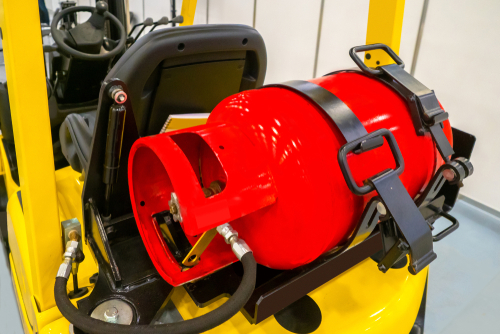
The short answer is that a standard 33-pound forklift propane tank typically lasts about eight hours. This provides enough power to get through a standard full-time shift on a single cylinder.
However, several factors can impact that duration. The size and weight of the materials being moved play a major role. Lifting exceptionally heavy loads requires more energy, which burns through fuel faster. The terrain also matters. Operating on steep inclines or rough, uneven surfaces forces the engine to work harder compared to driving on a smooth, flat warehouse floor.
Finally, the size and condition of the forklift itself will influence overall fuel efficiency. Keeping your machinery well-maintained ensures you get the most out of every drop of fuel.
The Reading, PA area features a robust industrial landscape. From sprawling distribution centers to local manufacturing plants and agricultural operations, businesses across Berks County depend on reliable material handling equipment.
Forklifts are essential for loading trucks, organizing warehouse racks, and transporting heavy supplies across job sites safely. For these local businesses, maximizing uptime and reducing fuel costs are constant priorities. Propane provides a highly reliable solution to meet those heavy demands.
When outfitting your fleet, you generally choose between propane, electricity, and gasoline. Propane stands out as the most efficient and versatile choice for several reasons.
First, propane refueling takes less than five minutes. An operator simply swaps the empty cylinder for a full one and gets right back to work. In contrast, electric forklifts require hours of downtime to recharge their batteries, which can cripple productivity during a busy shift.
Propane also delivers consistent, reliable power until the tank is completely empty. Electric batteries often lose power and slow down as their charge depletes. Furthermore, propane engines produce significantly lower emissions than gasoline engines. This makes propane forklifts safe for both indoor and outdoor use, whereas gasoline models are strictly limited to outdoor operations due to harmful exhaust fumes.
Managing your fuel supply should not be a headache. Sweetwater Propane offers complete, comprehensive propane forklift cylinder services designed specifically for commercial operations in the Reading area.
Our team of commercial propane experts will sit down with you to discuss how your business uses forklifts, how many cylinders you need on hand, and how often you will need cylinders exchanged. We then set up a personalized forklift cylinder exchange schedule tailored to your workflow. That schedule remains flexible and can easily be adjusted as your business’s needs change throughout the year. This is the responsive, reliable service we provide that no big, national propane company can match.
We also prioritize the safety of your property and your team. We set up durable forklift cylinder cages for safe and secure storage at your business or job site. Finally, we take the time to make sure that your employees are highly knowledgeable about the safe handling and use of propane forklift cylinders.
Consistent power means consistent productivity. By choosing propane, you ensure your machinery runs efficiently through every shift.
If you are ready to boost your facility’s efficiency and secure a reliable fuel supply, contact Sweetwater Propane today. Our experts are ready to build a customized cylinder exchange program that keeps your fleet moving and your overhead costs under control.