
Posted: August 19, 2024
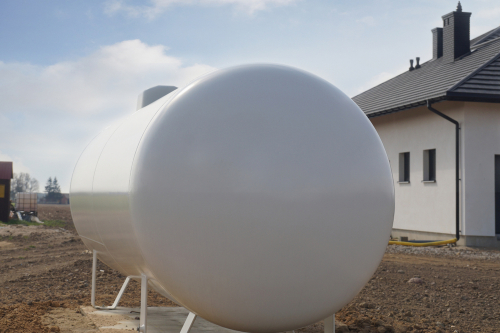 If you’re a homeowner in Southeast Pennsylvania or New York’s Finger Lakes region, chances are you’ve experienced the convenience and efficiency of propane for heating and cooking.
But have you ever wondered why, after a delivery, your propane tank isn’t filled to the brim? You’re not alone! This common question puzzles many propane users. Fear not—we’re here to shed light on this mystery and explain why your propane tank isn’t 100% full after delivery.
Propane is a versatile and reliable energy source, but it comes with its own set of scientific principles. One crucial factor is that propane expands and contracts based on temperature. In colder weather, propane contracts, and in warmer weather, it expands. This behavior is essential to understand why your tank isn’t completely full after delivery.
Safety is the top priority when it comes to propane. There needs to be enough room in the tank to allow for propane expansion without causing an unsafe pressure build-up. This safety measure is known as the “80% fill rule.” By not filling the tank to its total capacity, propane providers ensure there’s ample space for the gas to expand safely.
The industry standard is to fill propane tanks to about 80% of their total capacity. This rule isn’t just a random guideline—it’s a critical safety measure. By adhering to the 80% fill rule, propane suppliers protect both your property and their equipment from potential hazards.
The volume of propane in your tank fluctuates with the temperature. When temperatures rise, propane expands, increasing the pressure inside the tank. Conversely, when temperatures drop, propane contracts, reducing the pressure. This temperature-sensitive nature of propane necessitates the 80% fill rule to accommodate these changes.
Propane deliveries often account for seasonal temperature variations. In colder months, your tank might appear fuller because the propane is denser. In warmer months, the propane expands, making the tank seem less full even though the actual gas quantity remains the same.
It’s essential to monitor your tank levels regularly, especially during extreme weather conditions. Keeping an eye on the gauge can help you anticipate when you’ll need a refill and ensure you’re never caught off-guard by a low propane supply.
Most propane tanks come equipped with a gauge that indicates the current fuel level. Reading this gauge correctly is crucial for understanding how much propane you have left. It is round and resembles the speedometer in a car. The numbers signify the percentage. So, if the needle on the gauge is point at 40, it means that your tank is 40% full.
It is recommended that you don’t let your tank fall below 30% full before contacting Sweetwater Propane to schedule a delivery. This is especially important in winter if you use propane for home heating. A cold snap could put you at risk of running low on or running out of propane if your tank is less than 30% full.
Giving our customers security when it comes to their propane supply is why we offer wireless propane tank monitoring. The monitor uses WiFi and cellular technology to keep us, and you, informed 24/7 about exactly how much propane is in your tank. Once it reaches a pre-determined level, it sends us a notification and we schedule a delivery. You don’t need to do a thing!
Wireless tank monitoring is a FREE service for all our Automatic Delivery customers.
Regularly maintaining and inspecting your propane tank and its gauge ensures accurate readings. If you notice any discrepancies or issues with your gauge, contact your propane provider for assistance.
If you have any questions about propane safety or our propane services, don’t hesitate to reach out to Sweetwater Propane. Stay safe, enjoy the benefits of propane, and make the most of this versatile energy source in your home!